Standing under bright store lights debating skin tint vs BB cream is enough to make anyone grab a random tube and hope for the best. Both sit in the sheer base makeup aisle right beside tinted moisturizer, promising the exact same fresh glow. After years of side-by-side wear tests for our everyday makeup guides, I’ve learned that front-of-box labels cause half the confusion.
Here’s the blunt truth: the FDA draws zero legal line between a skin tint, a BB cream, and a tinted moisturizer. A brand can pour one sheer formula into a glass dropper and call it a tint, or pack it in a squeeze tube and label it BB. Still, across dozens of tubes vetted through our editorial testing process, three distinct formula patterns consistently show up.
Once you look past marketing buzzwords to pigment load, texture, and base chemistry, picking your best lightweight foundation alternative takes thirty seconds. Ahead, we break down what actually separates all three, plus which formula won’t split around your nose by lunch.
The Editor’s Quick Verdict: Grab a skin tint if you have oily, combo, or normal skin and want serum-thin blur that lets freckles show. Pick a BB cream if you battle redness or uneven tone and want medium-sheer, cushiony coverage. Choose a tinted moisturizer if your skin feels genuinely parched and craves lotion-first comfort over pigment.
Jump to a section: Quick Compare · Chemist Breakdown · 6 Real Differences · Picks by Skin Type · Shade Matching · Pro & DIY Tips · FAQs
Skin Tint vs BB Cream vs. Tinted Moisturizer Side-by-Side
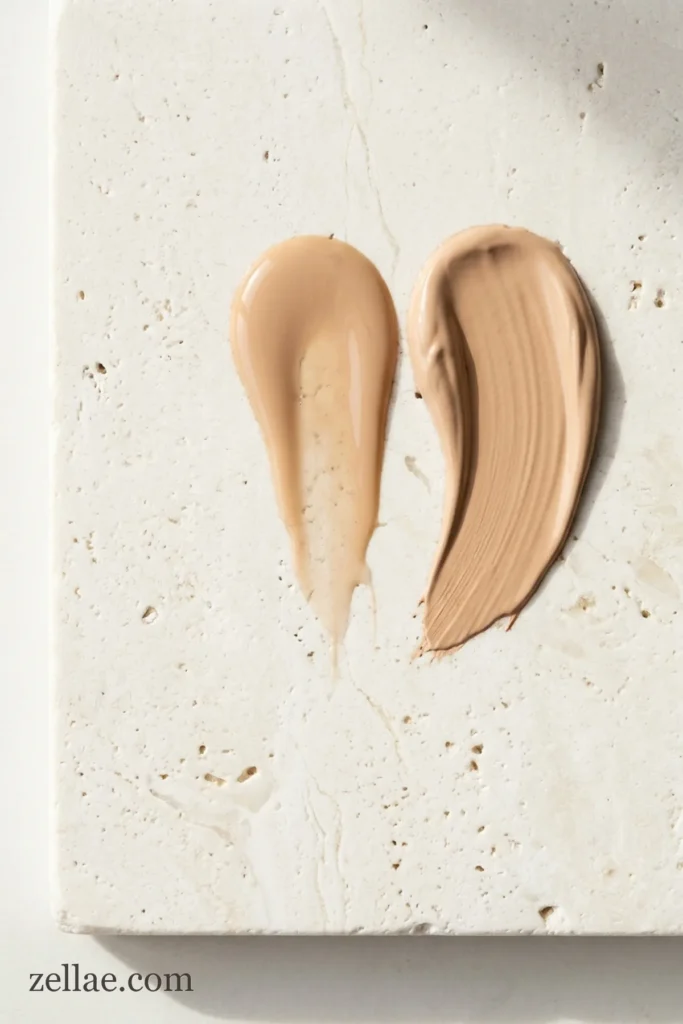
Before we get into base chemistry and midday shine, look at how all three compare on real skin. One behaves like a weightless serum, one acts like a velvety redness perfector, and the last wears like a plush day cream.
If you’re specifically weighing tinted moisturizer vs skin tint, watch the texture and 8-hour wear rows closely. They explain why one melts smoothly over dry flakes while the other turns shiny by lunch.
| Feature | Skin Tint | BB Cream | Tinted Moisturizer |
|---|---|---|---|
| Coverage Level | Sheer to light (5%–10% pigment). Softens tone without hiding freckles | Light-medium to medium (12%–18% pigment). Visibly quiets redness | Sheer to light (6%–12% pigment). Gently evens out dullness |
| Texture & Viscosity | Runny fluid, water-gel, or dropper serum | Whipped, dense, cushiony silicone cream | Rich, creamy day lotion |
| Finish on Skin | Second-skin satin, blurred matte, or wet glass dew | Velvety “baby skin” satin with pore-blurring grip | Plump, radiant lotion sheen |
| Best Skin Types | Oily, combination, normal, or textured skin | Redness-prone, uneven tone, normal-to-combo skin | Dry, flaky, dehydrated, or mature skin |
| 8-Hour Wear | Silicone tints last 8+ hrs, while oily serums shine by hr 3 | Holds 7–9 hrs cleanly around the nose and chin | Fades softly by hr 6 and gets shiny on oily T-zones |
| SPF Reality | SPF 0 to 40, but applied too thinly for full UV defense alone | SPF 25 to 42, though still under-applied as your sole SPF | SPF 20 to 30. Treat strictly as backup protection |
| Standout Formulas | Ilia Super Serum ($48), Fenty Eaze Drop ($36), Maybelline Super Stay ($16) | Erborian BB Cream ($46), Missha M Perfect Cover ($22) | Laura Mercier Natural Dewy ($49), NARS Pure Radiant ($48) |
Whenever a brand launches a trendy “serum-BB-tint” hybrid, try the hand-tilt test. Squeeze a pea-sized drop onto the back of your hand and angle it down. If it races off, it’s a skin tint. If it holds a dome, expect BB or tinted-moisturizer body.
Flip the bottle over and scan the first three ingredients, too. Water paired with light silicones signals blurring grip. Glycerin plus plant oils means dry-skin cushion, and titanium dioxide high on the list points to BB-level coverage.
Why the Labels Blur: What Cosmetic Chemists Actually Change
When beauty editors test a skin tint against a BB cream, we flip straight to the back of the bottle. Unless an FDA Drug Facts SPF panel appears, regulators treat all three as standard color cosmetics. Chemists separate them by dialing iron-oxide levels, fast-evaporating carriers, and silicone cushion up or down.
Their backstories explain a lot, too. BB cream started in Germany as dermatologist Christine Schrammek’s “Blemish Balm” to soothe post-peel skin, before Korean labs perfected its signature velvety blur. Western department-store counters popularized tinted moisturizer as sheer day cream, while modern brands built fluid skin tints for breathable, bare-skin coverage.
- The skin tint blueprint: Fast-evaporating water, isododecane, or light plant squalane sinks in quickly, leaving low pigment suspended inside a flexible micro-film.
- The BB cream blueprint: Cyclopentasiloxane or dimethicone crosspolymers pair with higher titanium dioxide and iron oxides to smooth pores and tone down flushing in a single coat.
- The tinted moisturizer blueprint: Glycerin, hyaluronic acid, and rich plant oils (like macadamia or kukui seed) lead the formula so skincare comfort comes before coverage.
That chemistry split explains why your coworker’s favorite sheer tint melts right in while the exact same bottle pills over your morning lotion. You rarely bought a bad formula. You just paired the wrong base with your skin’s oil level.
Skin Tint vs BB Cream: 6 Real Differences You'll Feel by Noon
Swatched fresh under store lights, almost every sheer base looks deceptively similar. The real gap between a skin tint, a BB cream, and a tinted moisturizer shows up later, once you step into daylight, blot at lunch, and check your mirror at five o’clock.
1. Pigment Load & Redness Coverage
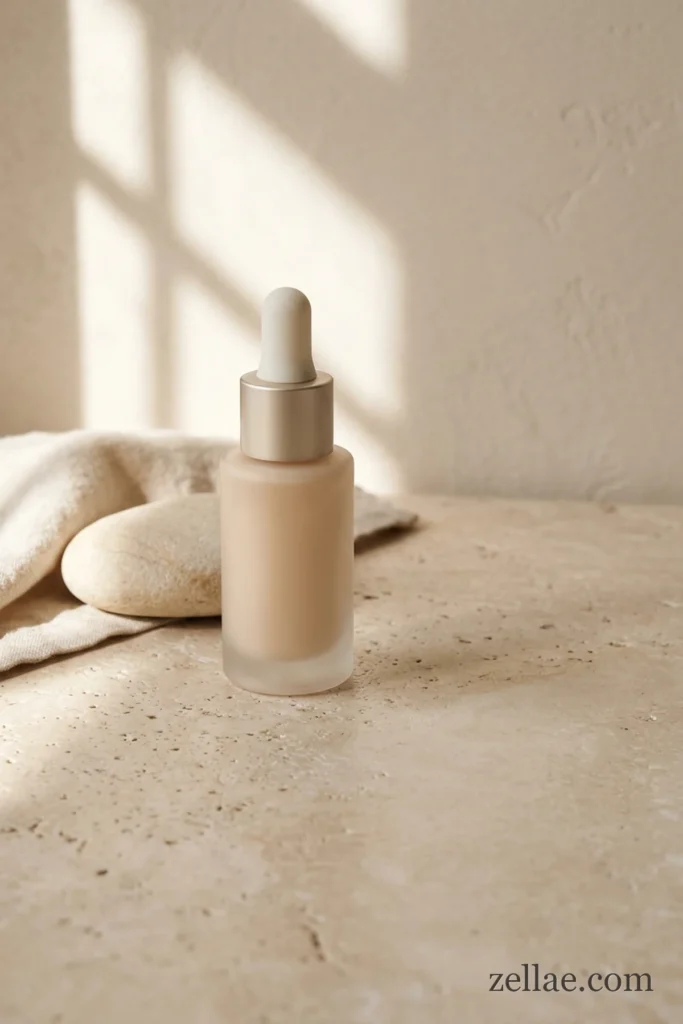
A classic skin tint carries roughly 5% to 10% pigment, softening dullness while letting freckles and natural skin texture peek through. BB creams pack 12% to 18% pigment alongside opaque minerals like titanium dioxide. One thin pass of Erborian BB Cream or Missha M Perfect Cover quiets redness around your nose and old blemish marks fast. Watery tints usually need concealer backup.
2. Oil vs. Silicone vs. Water Base Chemistry
Base chemistry decides whether your tint melts right in or pills into tiny flakes over skincare. Skin tints split into two camps: oil-rich serums like Ilia Super Serum (heavy on squalane) and silicone-water blurs like Fenty Eaze Drop. BB creams rely on plush silicones that glide over enlarged pores. Lotion-based tinted moisturizers pair best with water-based serums and often ball up over heavy silicone primers.
3. How They Wear After 8 Hours on Oily vs. Dry Skin
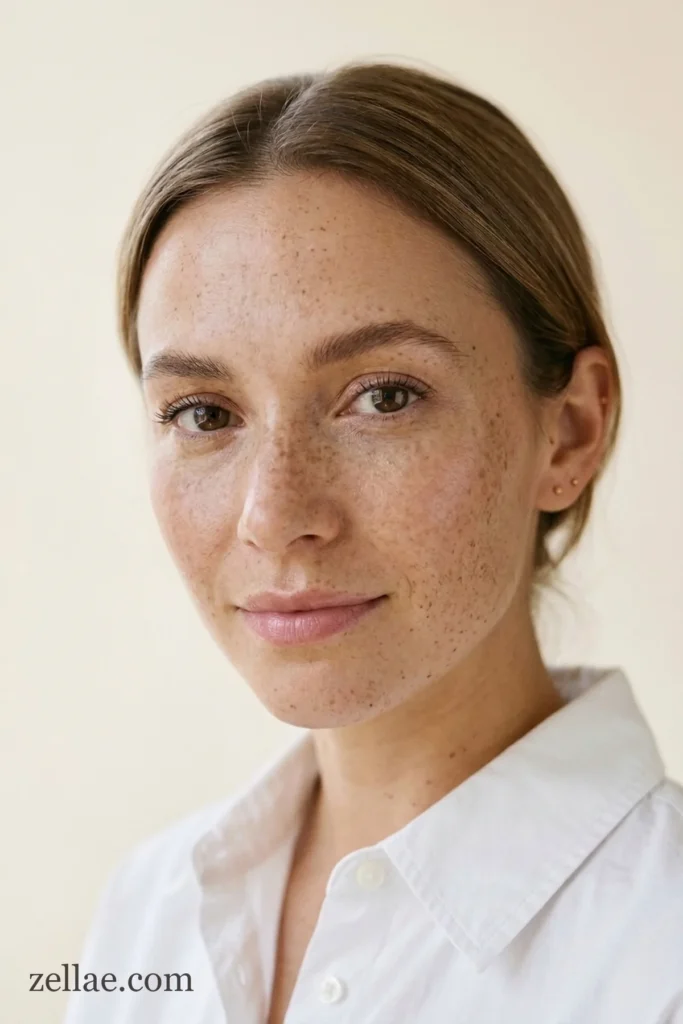
By hour six, your skin’s oil exposes every formula shortcut. On shiny T-zones, a blurring tint like Fenty Eaze Drop or a velvety BB cream holds cleanly around smile lines. Pair it with tubing mascaras built for oily eyelids for smudge-proof wear. On dry patches, alcohol-heavy tints cling by noon, while creamy tinted moisturizers stay supple in an everyday glow makeup routine for dry skin.
4. The SPF Myth: Why Tinted SPF Alone Isn't Enough
Seeing SPF 40 on Ilia or SPF 42 on Missha makes it tempting to skip sunscreen. Don’t fall for it. Lab SPF ratings require 2 milligrams per square centimeter of skin, or roughly a quarter-teaspoon for your face alone. Nobody spreads that much tinted coverage without looking cakey. A normal pea-sized drop leaves you closer to SPF 8 to 15, so layer dedicated sunscreen first.
5. Shade Range Inclusivity Reality
When you compare skin tint vs BB cream, shade range is where BB creams still fall flat. Cult Korean and French tubes, including icons like Erborian (5 shades) and Missha, often cap below ten shades. Many cast a chalky gray-pink tone on warm golden, olive, and deep skin. Modern skin tints win easily, with Fenty Eaze Drop spanning 25 shades and Ilia offering 30.
6. Application Tools That Make or Break Each Formula
The wrong tool wastes half your bottle. Damp sponges drink up runny tints like Maybelline Super Stay before they hit your cheeks. Use clean fingertips or a flat kabuki brush instead. Cushiony BB creams shear out smoothest with a dense buffing brush or damp sponge. Tinted moisturizers melt in with warm fingers, leaving a fresh base ready to layer cream and powder blush over sheer base.
Once you spot these six differences, shopping gets way easier. You stop chasing viral bottles and start matching pigment load, slip, and staying power to how your skin actually behaves from breakfast to dinner.
Skin Tint vs BB Cream: Honest Editor Picks by Skin Type
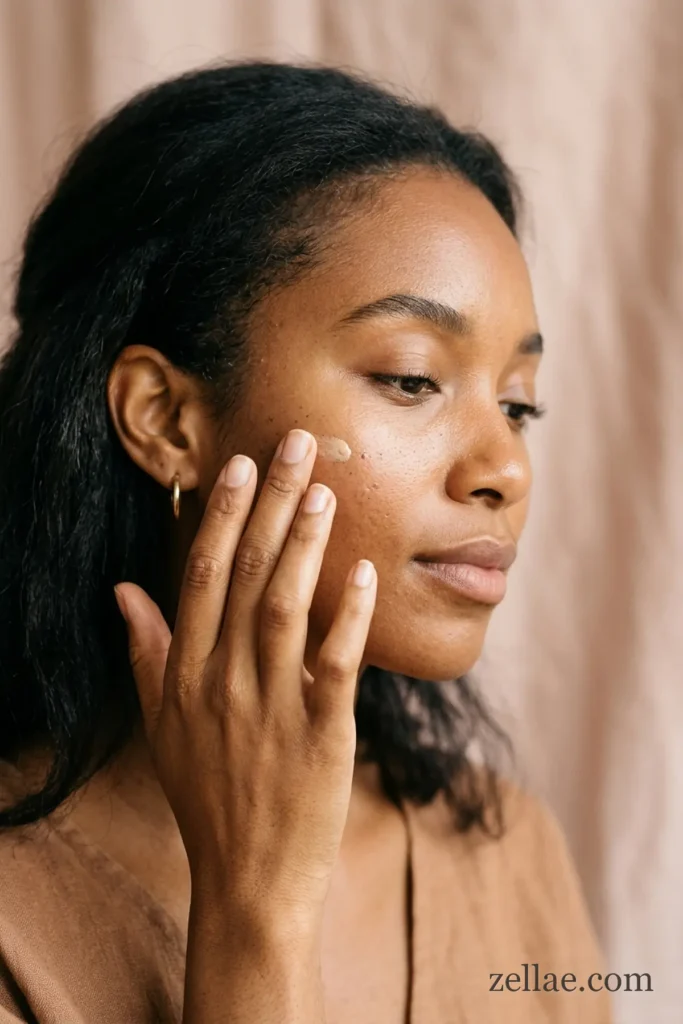
No single bottle flatters every face, and any review promising a universal miracle tube is hiding something. Here are the exact formulas I recommend after wearing each category through humid commutes, dry winter heating, and ten-hour workdays, quirks and all.
Start with your main skin concern, then decide whether you want whisper-thin blur or genuine redness control:
- Dry or Flaky Skin (Pick: Tinted Moisturizer or Oil-Serum Tint): Choose Laura Mercier Natural Dewy Tinted Moisturizer SPF 30 ($49) for plush macadamia-oil slip, or Ilia Super Serum Skin Tint SPF 40 ($48) for squalane-rich glass glow. The catch: Ilia smells earthy for a minute and turns oily foreheads greasy fast, while Laura Mercier fades softly by hour six.
- Oily, Combo, or Acne-Prone Skin (Pick: Silicone-Blurring Skin Tint): Grab Fenty Beauty Eaze Drop Blurring Skin Tint ($36) for pore-smoothing, natural-matte hold, or drugstore standout Maybelline Super Stay 24H Skin Tint + Vitamin C ($16) for nine-hour wear. The catch: Maybelline’s denatured alcohol clings to peeling blemishes if you skip light gel moisturizer.
- Mature Skin With Fine Lines (Pick: Hydrating Gel-Cream Tint): Try Hourglass Veil Hydrating Skin Tint ($49) or NARS Pure Radiant Tinted Moisturizer SPF 30 ($48). Both cushion crow’s-feet like a supple lightweight foundation alternative without turning chalky. The catch: NARS warms up half a shade on some skin, and Hourglass needs concealer over darker sunspots.
- Sensitive or Redness-Prone Skin (Pick: Mineral Tint or Soothing BB Cream): Reach for Tower 28 SunnyDays SPF 30 ($32, fragrance-free zinc oxide with the National Eczema Association Seal) or velvety Erborian BB Cream ($46) to calm flushing fast. The catch: Tower 28 feels slightly tacky in humidity without powder, and Erborian’s five-shade lineup misses very fair cool and rich deep tones.
Can drugstore bottles really compete with prestige counters? On wear time alone, Maybelline Super Stay ($16) and Missha M Perfect Cover (around $22) go toe-to-toe with $48 tubes. Where splurge sheer base makeup earns its price tag is finer pigment milling, fragrance-free comfort, and much truer olive and deep undertones.
When you’re at a beauty counter, skip asking vaguely for “something light.” Say this instead: “I need a silicone-blurring tint for an oily T-zone” or “I want an oil-rich, fragrance-free formula for flaky cheeks.” That single sentence keeps associates from handing you a dewy dropper tint that slides off by lunch.
How to Test Your Exact Shade in Daylight (Without Guessing)
Even forgiving sheer coverage looks off when your cheeks pull peach above a cool or olive neck. Store lighting hides gray casts and warm color shift until you catch your reflection in the car mirror. Run this quick daylight check before committing to a full bottle.
- Stripe your jawline onto your neck, never your wrist: Your forearm rarely matches facial redness or sun exposure. Swipe three neighboring shades from your lower cheek onto your neck. The right match melts in seamlessly.
- Wait 15 full minutes for oxidation: As water and light silicones evaporate, iron oxides react with skin pH and natural oil. Many skin tints and NARS-style creams deepen half a shade once set, so grab a coffee before checking out.
- Inspect beside an indirect daylight window: Overhead LEDs disguise murky undertones. Window light instantly flags whether a K-beauty BB cream turns flat and gray on warm or olive skin, or whether a “neutral” tint leans orange.
- Match depth first when you’re between seasons: Because sheer tints let natural skin peek through, one shade easily stretches across months. Caught between summer tan and winter tone? Buy the lighter match and warm up your cheekbones with cream bronzer.
Quick counter tip: most beauty retailers happily pot tiny samples of prestige formulas when you’re comparing tinted moisturizer vs skin tint. Wearing two shades on opposite halves of your face through one normal workday beats twenty quick hand swatches.
6 Makeup Artist Tips to Keep Sheer Base Makeup Fresh All Day
Because sheer formulas hold fewer heavy waxes than full-coverage foundation, your prep and setting steps decide whether your base lasts eight hours or disappears by lunch. Use these six makeup-artist habits whether you wear a skin tint, BB cream, or tinted moisturizer.
- Let real sunscreen set for five minutes first: Apply broad-spectrum SPF 30 or higher following the American Academy of Dermatology’s sunscreen application guidelines, then pause while brushing your teeth so the UV film cures cleanly before tapping tint over top.
- Press instead of dragging over skincare: Harsh brush buffing disrupts your sunscreen layer and causes white pilling along the jaw. Tap your base outward from the center of your face with clean fingertips or a dense synthetic brush.
- Smooth microscopic flakes twice weekly: Watery pigments grab dry skin cells faster than heavy creams. Keep texture even using mild lactic or PHA exfoliation inside your everything shower routine order alongside fragrance-free hydration aligned with the American Academy of Dermatology’s daily skin care basics.
- Spot-conceal instead of piling on three coats: Stacking extra layers of any sheer formula makes it slip and crease by midday. Lay down one whisper-thin coat, wait sixty seconds, and dot high-pigment concealer strictly over blemishes and redness.
- Powder only your shine zones: Dusting translucent powder all over erases the fresh, bouncy finish you bought a tint for. Press a small puff just beside your nostrils, between your brows, and on your chin, leaving cheekbones dewy.
- Match your morning moisturizer to your formula: Skip thick balms under squalane-rich tints like Ilia or creamy tinted moisturizers, or your makeup will slide off by ten o’clock. Anchor alcohol-based blurring tints over a light gel-cream instead.
Frequently Asked Questions
Do you still need moisturizer under a skin tint?
Usually yes, unless you have oily skin and wear a squalane-heavy oil tint like Ilia in summer humidity. Most runny silicone-water tints contain very little rich emollient, so dry spots grab pigment within an hour. In the tinted moisturizer vs skin tint debate, layering a light gel moisturizer under a skin tint gives much smoother wear.
Can BB cream replace daily sunscreen?
No, even when the tube promises SPF 35 or SPF 42. Lab SPF testing uses 2 milligrams per square centimeter of product, which equals roughly a quarter-teaspoon for your face alone. Almost everyone applies far less BB cream for a natural finish, leaving real UV gaps. Wear dedicated broad-spectrum SPF 30+ underneath and treat BB iron oxides as bonus visible-light defense.
Why do skin tints oxidize and turn orange on my face?
Oxidation happens when iron-oxide pigments react with air, sweat, and natural sebum as watery carriers evaporate. Oily skin speeds up that color shift because extra skin oil darkens untreated pigment. Fight it by blotting shine first, testing shades for 15 minutes in daylight before buying, and layering a thin niacinamide serum underneath.
What is the best option for acne-prone skin: skin tint, BB cream, or tinted moisturizer?
For acne-prone skin, a breathable silicone-water skin tint (like Fenty Eaze Drop) or a fragrance-free mineral tint (like Tower 28 SunnyDays) usually outperforms heavier creams. Rich tinted moisturizers packed with plant oils and heavily fragranced BB creams are more likely to bother active breakouts. Either way, double-cleanse every night so leftover pigment never sits in your pores.
Can you layer concealer cleanly on top of a skin tint or BB cream?
Yes, and pairing one sheer coat of skin tint or BB cream with targeted concealer looks much fresher than heavy foundation. Let your sheer base makeup set for sixty seconds, dot creamy concealer strictly over dark spots or redness, wait thirty seconds so it grips, and tap out the edges with a clean ring finger.
Once you look past front-of-tube buzzwords, choosing between a skin tint, a BB cream, and a tinted moisturizer gets refreshingly simple. Grab a fluid skin tint for breathable blur, a BB cream for velvety redness coverage, or a tinted moisturizer for thirsty-skin comfort. Ready to lock in smooth, flake-free prep under your sheer base? Read our everyday glow makeup guide next.