Walk down any drugstore aisle and you’ll see rose-scented foams, deodorizing mists, and pastel wipes promising “all-day freshness.” Ask a board-certified OB-GYN about daily feminine hygiene habits, though, and the answer is surprisingly quiet. Almost anything made to help intimate skin smell like a bakery irritates delicate tissue, as we cover across our everyday hygiene guides.
It all comes down to simple anatomy that beauty marketing loves to blur. Your vagina (the internal muscular canal) cleans itself naturally using helpful Lactobacilli bacteria, which keep vaginal pH slightly acidic at 3.8 to 4.5. Only the external vulva needs a gentle daily rinse. That fits right into your everything shower routine order with zero specialty washes required.
Ahead, we’ve pulled together nine gynecologist-backed habits worth keeping, a quick comparison table, four viral products doctors want you to skip, and five red-flag symptoms that deserve a real medical visit.
The Editor’s Quick Verdict: Smart feminine hygiene habits stay minimal. Rinse only your external vulva with lukewarm water, or use a mild unscented cleanser like Vanicream, Cetaphil, or Dove Sensitive Bar on outer skin. Leave douches, scented washes, and fragranced wipes on the shelf. Wear breathable 100% cotton underwear, change out of sweaty leggings promptly, and call a doctor for unusual odor or itching instead of masking it.
Jump to a section: Quick Compare · 9 Doctor Habits · 4 Trends to Skip · When to See a Doctor · OB-GYN Care Tips · FAQs
Doctor-Approved Feminine Hygiene Habits vs. Common Products to Skip

Most irritation patients bring to gynecology clinics doesn’t come from being unclean. It comes from over-washing with scented formulas meant to erase normal body fluids. Scaling back your daily intimate care protects your outer skin barrier while leaving healthy internal flora alone.
Use this quick chart to compare doctor-backed daily habits against the drugstore staples most likely to throw off your vaginal pH or trigger irritation.
| Category | OB-GYN Recommended Habit | Common Habit/Product to Skip | Why It Protects Natural pH |
|---|---|---|---|
| Daily Shower Wash | Warm water externally, or mild unscented soap on outer skin | Scented “pH-balanced” washes, bubble baths, rough loofahs | Preserves outer lipids without pushing irritants near the opening |
| Internal Cleaning | Nothing at all. Natural discharge flushes the canal automatically | Vinegar or water douches, herbal rinses, internal soap | Keeps protective Lactobacilli steady at pH 3.8 to 4.5 |
| Everyday Underwear | Breathable 100% cotton briefs or cotton gussets, plus sleeping commando | Tight synthetic thongs worn 24/7 or damp nylon lace | Boosts airflow and cuts down trapped moisture that feeds yeast |
| Post-Workout & Pool | Swap out of sweaty leggings or wet swimsuits within 15 to 30 minutes | Sitting for hours in damp polyester compression tights | Prevents warm friction that fuels chafing and yeast |
| Toilet & Travel | Plain toilet paper front to back, a gentle bidet, or water-only wipes | Fragranced “flushable” wipes, sprays, talc powders | Stops bacterial transfer and avoids fragrance allergies |
| Period Care Timing | Change unscented pads or tampons every 4 to 6 hours, and silicone cups every 8 to 12 hours | Scented period pads, over-worn tampons, daily scented liners | Limits contact with alkaline blood (around pH 7.4) and keeps TSS risk low |
| Laundry Detergent | Fragrance-free detergent (Tide Free & Gentle, All Free Clear) | Perfumed detergents, fabric softeners, dryer sheets | Eliminates waxy scent residue rubbing against thin vulvar skin |
| Odor or Itching | Book a quick OB-GYN pH swab for an accurate diagnosis | Scented sprays, DIY yogurt, or unprescribed boric acid | Treats BV or yeast directly instead of inflaming delicate skin |
Good intimate care starts with separating two words people mix up all the time: the vulva and the vagina. The vulva is your external skin, including the outer and inner labia, clitoral hood, and surrounding folds. Because this outer area has sweat glands and hair follicles, a gentle rinse with warm water clears daily sweat and oils comfortably.
The vagina is the internal canal connecting the opening to your cervix. Helpful Lactobacilli line that canal and produce lactic acid, keeping vaginal pH between 3.8 and 4.5. Alkaline soaps and internal rinses weaken that natural shield and let odor-causing bacteria multiply quickly. That’s why smart feminine hygiene habits stay strictly external.
9 Everyday Feminine Hygiene Habits Gynecologists Stand Behind
Reliable intimate care shouldn’t require six shower bottles or make you anxious about normal biology. These nine habits make up the straightforward daily routine dermatologists and OB-GYNs actually follow themselves. They cut bathroom clutter, ease everyday stinging, and save you avoidable clinic visits.
1. Wash the Vulva Externally Only With Warm Water
For most of us, lukewarm water and clean fingertips are all daily washing takes. Gently part the outer labial folds under a soft shower stream for 15 to 30 seconds to rinse sweat and normal secretions, never aiming water inside. Leave washcloths and loofahs out too, since they hold bacteria and scratch thin skin. Want to smell fresh all day? Plain water beats floral perfume every time.
2. Choose Unscented, Dye-Free Cleansers If You Prefer Soap
Warm water works well alone, though after sweaty workouts or heavy period days you might want mild soap on outer hairy skin and groin creases. Gynecologists consistently favor basic, fragrance-free drugstore picks like Vanicream Gentle Facial Cleanser, Cetaphil Gentle Skin Cleanser, or Dove Sensitive Skin Unscented Bar ($5 to $14). Lather a pea-sized dab with clean fingers outside the vaginal opening, then rinse thoroughly.
3. Wipe Strictly Front to Back Every Time
Gynecologists still put this classic rule first for preventing urinary tract infections. Your urethra sits less than two inches from the rectum, so wiping back to front easily drags intestinal E. coli forward. Pick plain, unscented white toilet paper with no lotions or dyes, and blot gently instead of rubbing. Using a handheld bidet? Keep the spray gentle and angle it front to back.
4. Wear Breathable 100% Cotton Underwear (And Sleep Commando When You Can)
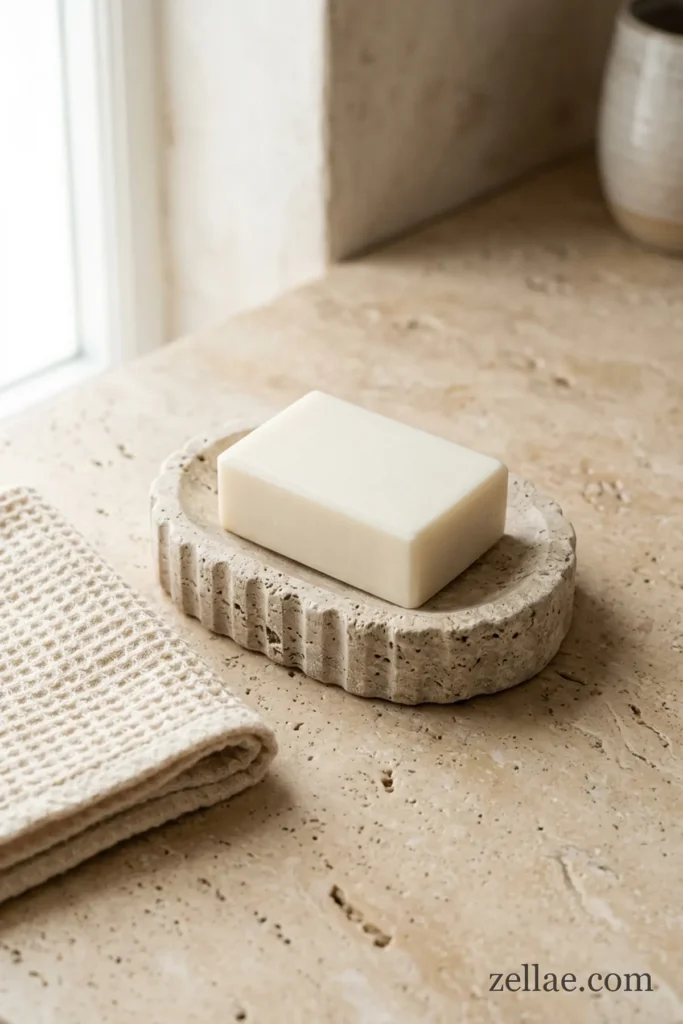
Tight polyester, nylon, and synthetic lace trap heat and moisture against vulvar skin, creating a greenhouse for Candida yeast and odor-causing bacteria. Stock your drawer with breathable 100% cotton briefs (or styles with wide cotton gussets) from Pact Organic Cotton, Hanes Pure Comfort, or Aerie Cotton ($6 to $16). Even better, sleep commando under loose cotton pajama pants for steady overnight airflow.
5. Change Out of Damp Swimwear & Workout Leggings Promptly
Even sweat-wicking leggings hold dampness, salt, and friction against your groin once your workout ends. Much like weighing aluminum-free deodorant vs. antiperspirant, post-gym intimate care is all about letting skin breathe instead of sealing in moisture. Peel off sweaty compression tights or wet swimsuits within 15 to 30 minutes. Blot dry with a clean towel, then slip into dry cotton.
6. Change Period Products Every 4 to 8 Hours Safely
Menstrual blood sits near an alkaline pH of 7.4, so wearing soaked products too long nudges vaginal pH upward and chafes outer skin. Swap unscented pads and tampons every four to six hours, and never leave a tampon in past eight hours to keep toxic shock syndrome risk low. Empty silicone cups like DivaCup or Saalt every 8 to 12 hours, rinsing with mild unscented soap.
7. Urinate After Intimacy & Skip Harsh Post-Sex Cleansers
Peeing within 15 to 30 minutes after sex helps flush stray bacteria away from your urethra before they reach your bladder. It’s especially smart if you’re prone to UTIs. Rinse externally with warm water afterward if you want, and leave out scented wipes or internal washes. Semen is naturally alkaline (pH 7.1 to 8.0), so a mild 24-hour scent shift is normal biology, not dirtiness.
8. Wash Underwear With Fragrance-Free Laundry Detergent
Stubborn vulvar redness, stinging, or mystery itching often starts in your laundry room, not from an infection. Perfumed detergents, fabric softeners, and scented dryer sheets leave waxy fragrance residue on cotton fibers that rubs against thin skin all day. Wash underwear and bath towels in dye-free, fragrance-free Tide Free & Gentle or All Free Clear instead. Ditch the dryer sheets completely.
9. Know What Normal Discharge Looks and Smells Like
Daily discharge isn’t a mess to scrub away. It’s proof your vagina’s self-cleaning system is thriving. Healthy secretions look clear, creamy white, or pale ivory, sometimes drying pale yellow on cotton. Texture shifts all month, turning stretchy like egg whites around ovulation and thicker before periods. A mild tangy or musky scent comes from protective lactic acid. Knowing your baseline helps you spot real shifts early.
Put these nine habits together and one pattern becomes obvious. The smartest feminine hygiene habits remove friction, trapped dampness, and fragrance instead of adding extra bottles to your shelf. Stick with these basics, and delicate vulvar skin stays comfortable through workouts, periods, flights, and humid summer days.
4 Viral Intimate-Care Trends OB-GYNs Urge You to Skip
Social feeds love turning normal body biology into an “odor emergency” that supposedly needs a $22 wash, an herbal steam stool, or a peach body mist. As we explain on our Zellae editorial mission page, we skip shame-driven marketing and ground our feminine hygiene habits in dermatologist and OB-GYN consensus.
If any of these four viral products ended up in your bathroom cabinet, tossing them often settles stubborn dryness, itching, and recurring pH swings within weeks.
- 1. Douching & Internal Rinses: Flushing the vagina with water, vinegar, or store-bought kits strips away helpful Lactobacilli immediately. Clinical research links douching to higher rates of bacterial vaginosis, pelvic inflammatory disease, and stronger rebound odor within 48 hours.
- 2. Scented “pH-Balanced” Washes, Sprays & Whole-Body Deodorants: Even bottles stamped “gynecologist tested” often hide fragrance, essential oils, or sulfates that trigger vulvar contact dermatitis. If you use a whole-body deodorant cream, keep it strictly on your outer thigh creases. Never apply it to labial folds or delicate mucosal tissue.
- 3. Daily Fragranced Panty Liners: Plastic-backed or perfumed liners trap heat and moisture against vulvar skin all day, much like sweaty gym shorts. Save thin, unscented 100% cotton liners for light spotting. On heavier discharge days, a fresh pair of cotton underwear midday feels far better.
- 4. Vaginal Steaming & Unprescribed Boric Acid Suppositories: Sitting over a steaming herbal pot has zero medical backing and risks real mucosal burns. Boric acid suppositories have doctor-guided uses for recurrent infections, but self-dosing masks real issues, irritates tissue, and is never safe orally or during pregnancy.
What if your outer vulvar skin feels dry or chafed from cycling, pool chlorine, winter air, or perimenopause? Pass on scented lotions and smooth a pea-sized dab of plain Vaseline Petroleum Jelly or Aquaphor Healing Ointment onto external skin only. Both are trusted, fragrance-free barrier classics.
Just keep petroleum jelly and oils (including plain coconut oil) away from latex condoms, since oil breaks latex down rapidly. For everyday comfort or intimacy, reach for a fragrance-free, glycerin-free water- or silicone-based lubricant like Good Clean Love or Uberlube that won’t irritate sensitive vulvar skin.
5 Clear Red-Flag Symptoms That Need a Real Doctor Visit
Even great feminine hygiene habits can’t prevent every flare-up. Antibiotics, hormone shifts, new partners, and stress all nudge vaginal flora off balance easily. Trying to scrub symptoms away only delays treatment and leaves sensitive skin feeling raw.
Pass on drugstore guesswork and book a quick exam with an OB-GYN, midwife, or clinician whenever you notice any of these five warning signs:
- Strong, Persistent Fishy Odor: A sharp fishy smell, often stronger after sex or your period, is the classic sign of bacterial vaginosis (BV), a common bacterial imbalance. Extra showering won’t clear BV. Prescription metronidazole or clindamycin treats it reliably.
- Thick, Clumpy White Discharge With Intense Itching: Cottage-cheese discharge with intense itching often points to yeast (Candida). Because allergies and other infections look nearly identical, see a clinician if an over-the-counter cream fails or symptoms keep returning.
- Yellow-Green, Frothy, or Gray Discharge: Noticeable color changes, especially frothy yellow-green discharge or thin gray fluid, often signal trichomoniasis or another treatable STI. These need targeted oral medication for both you and any partner.
- Burning When Peeing, Pelvic Pain, or Unusual Bleeding: Stinging when you urinate can signal a UTI or tiny irritated skin fissures. Pelvic pain, pain during sex, or unexpected bleeding between periods (or after menopause) also warrants a prompt office visit.
- Sores, Blisters, Raw Cracks, or Stubborn Bumps: Keep harsh washes and home remedies off open sores or persistent white or red patches. A quick exam can tell ingrown hairs apart from eczema, lichen sclerosus, or viral conditions right away.
Feel awkward bringing up odor or discharge? Don’t. OB-GYNs run quick vaginal pH tests and microscope swabs all day long with zero judgment. One 10-minute check protects your comfort far better than guessing your way through three drugstore creams.
6 Gynecologist-Approved Daily Care Tips to Remember
Want to turn these basics into a simple daily routine? Save these six doctor-backed reminders for workouts, travel days, grooming, and routine checkups.
- Follow ACOG’s External-Only Rule: According to American College of Obstetricians and Gynecologists (ACOG) vulvovaginal health guidance, daily care needs only warm water externally, gentle pat-drying, and fragrance-free products. Leave internal self-cleaning completely alone.
- Always Skip Douching After Periods or Sex: The U.S. Office on Women’s Health guide on douching explains why internal rinsing throws off protective bacteria and raises infection risk. Give your body 24 to 48 hours to rebalance on its own.
- Pack a Smarter Gym & Travel Kit: Toss spare 100% cotton underwear, a zip pouch for damp leggings, and fragrance-free WaterWipes (99.9% water) into your bag. That way, staying fresh and comfortable away from home takes zero effort.
- Pat Dry Gently Instead of Rubbing: After a shower, blot vulvar skin softly with a clean cotton towel or let it air-dry for a minute before getting dressed. Rough rubbing causes tiny micro-tears, and pulling tight jeans over damp skin traps moisture right away.
- Keep Hair Removal Gentle and Unscented: Natural pubic hair cushions friction, so leaving it alone is always fine. If you trim with clean clippers or shave, use warm water, a sharp blade, unscented shave gel, and strokes following hair growth.
- Track Real Changes Instead of Chasing Zero Scent: Healthy feminine hygiene habits leave room for a mild, natural human scent that shifts gently with hormones and workouts. Jot down persistent changes for your doctor, or suggest a future body-care topic on our contact page.
Frequently Asked Questions
Are pH-balanced feminine washes actually necessary?
No. Most OB-GYNs agree plain lukewarm water covers daily feminine hygiene habits just fine. “pH-balanced” washes target your outer vulva (where skin pH sits around 4.5 to 5.5), not your self-regulating vagina (3.8 to 4.5), and many formulas still pack irritating fragrances or preservatives. If you prefer soap on outer skin folds, pick an unscented dermatologist favorite like Vanicream or Dove Sensitive Bar.
Is daily clear, white, or slightly yellow discharge normal?
Yes. Daily discharge is completely healthy and shows your vagina’s self-cleaning system is working as it should. Normal fluid ranges from clear to creamy white, and it often oxidizes to a faint yellow tint on cotton underwear. You’ll usually notice more around ovulation and right before your period. Call your doctor only for clumpy itchy discharge, frothy yellow-green or gray color, or a strong fishy smell.
What causes sudden fishy odor or irritation down there?
A sudden fishy odor, especially right after sex or your period, most commonly points to bacterial vaginosis (BV). BV is a shift in normal vaginal bacteria, not a sign of poor hygiene. Other causes include a forgotten tampon, trichomoniasis, trapped sweat, or reactions to scented soaps and laundry detergents. Scrubbing harder only makes soreness worse. A quick OB-GYN swab gives you the exact answer.
Are scented feminine wipes safe to use for travel or the gym?
Gynecologists and dermatologists agree on this one: skip scented wipes, even packs labeled “gentle” or “hypoallergenic.” Perfumes, essential oils, and preservatives regularly trigger vulvar contact dermatitis, burning, and dryness, and most “flushable” wipes still clog plumbing. When you travel or leave the gym, pack water-only wipes like WaterWipes, or dampen soft toilet paper with clean water and pat dry.
Should you sleep without underwear every night?
You don’t have to if briefs feel more comfortable, though sleeping commando under loose 100% cotton pajama pants is an easy habit to try. Giving vulvar skin seven or eight hours of airflow cuts down trapped heat and moisture overnight. It’s especially helpful if you deal with recurring yeast infections, night sweats, or daytime chafing.
Smart feminine hygiene habits aren’t about chasing a floral scent that doesn’t exist in real human biology. They’re about respecting a self-cleaning system that’s already working hard for you. Stick with warm water externally, breathable cotton, fragrance-free laundry, and prompt exams when red flags show up. Anytime a bold drugstore claim sparks doubt, come back to our hygiene guides for calm, doctor-vetted advice.