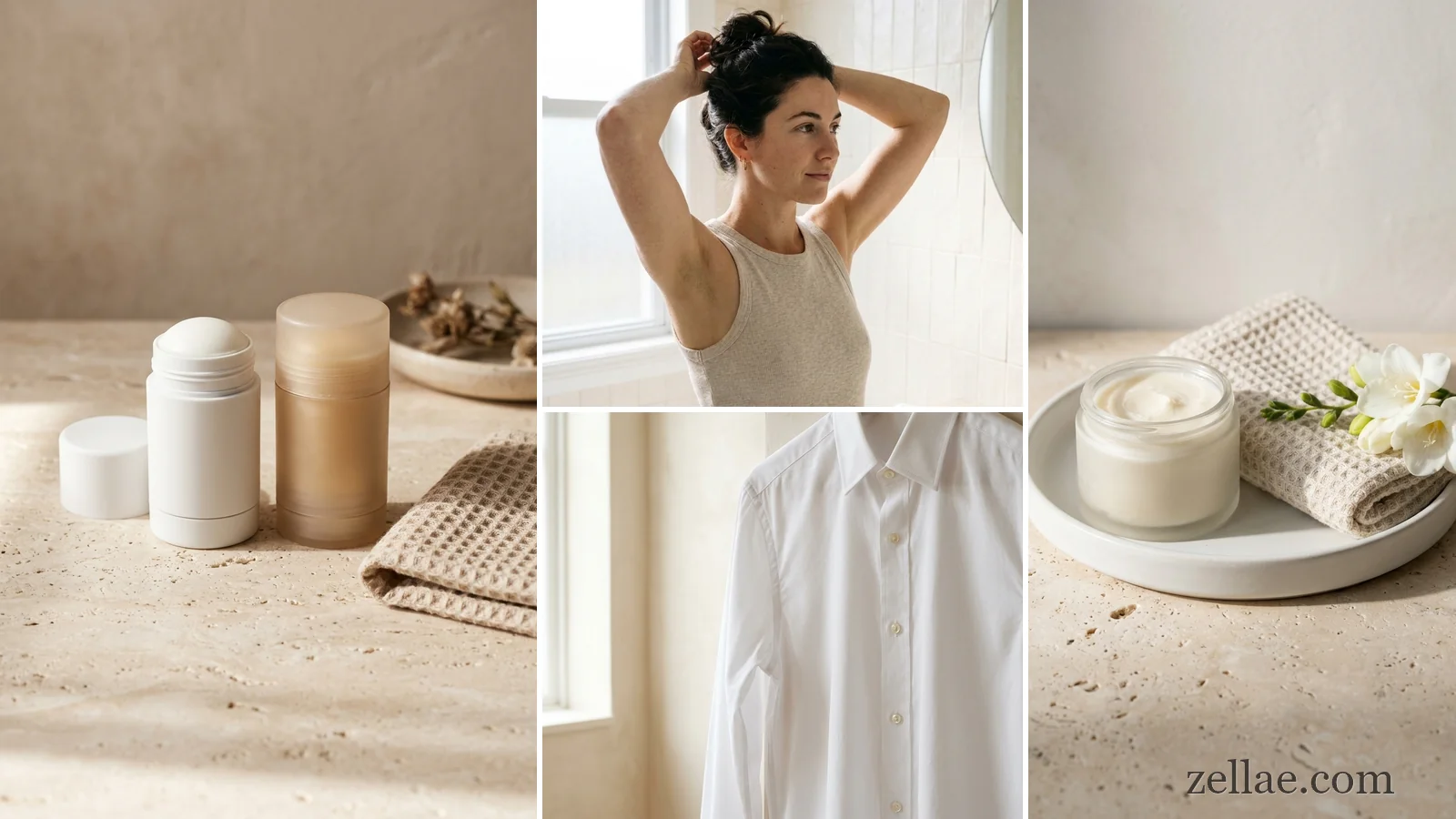
Standing in the personal-care aisle deciding between aluminum free deodorant vs antiperspirant can feel weirdly high-stakes. One side promises “clinical 72-hour dryness.” The other pitches “clean, detoxed pits” scented with eucalyptus and arrowroot. After testing dozens of everyday hygiene essentials, I’ve noticed most frustration starts when we treat two totally different products like identical swaps.
One simple rule clears up 90% of the confusion. Antiperspirants are FDA-regulated over-the-counter drugs that temporarily plug sweat ducts to curb wetness. Aluminum-free deodorants are cosmetics formulated strictly to stop smell. Following our research-first editorial standards, we’re skipping the clean-beauty scare tactics and sticking straight to peer-reviewed dermatology.
Maybe you need the best deodorant for heavy sweating before a high-stakes presentation. Maybe you want crisp white tees without yellow pit halos, or relief from an angry baking-soda rash. Either way, you’ll leave knowing what genuinely works and how it pairs with smart habits to smell fresh all day.
The Editor’s Quick Verdict: Reach for a clinical antiperspirant applied at night, such as Secret Clinical Strength, Dove Clinical Protection, or Carpe, if you deal with heavy sweating, stressful workdays, or silk blouses. Choose an acidified or magnesium aluminum-free deodorant like Lume, Salt & Stone Sensitive, Kosas Chemistry, or Native Sensitive for gentle odor control, calm skin, and stain-free white shirts.
Jump to a section: Quick Compare · 6 Honest Facts · Top Editor Picks · When to See a Derm · Derm Care Tips · FAQs
Aluminum Free Deodorant vs Antiperspirant Side-by-Side
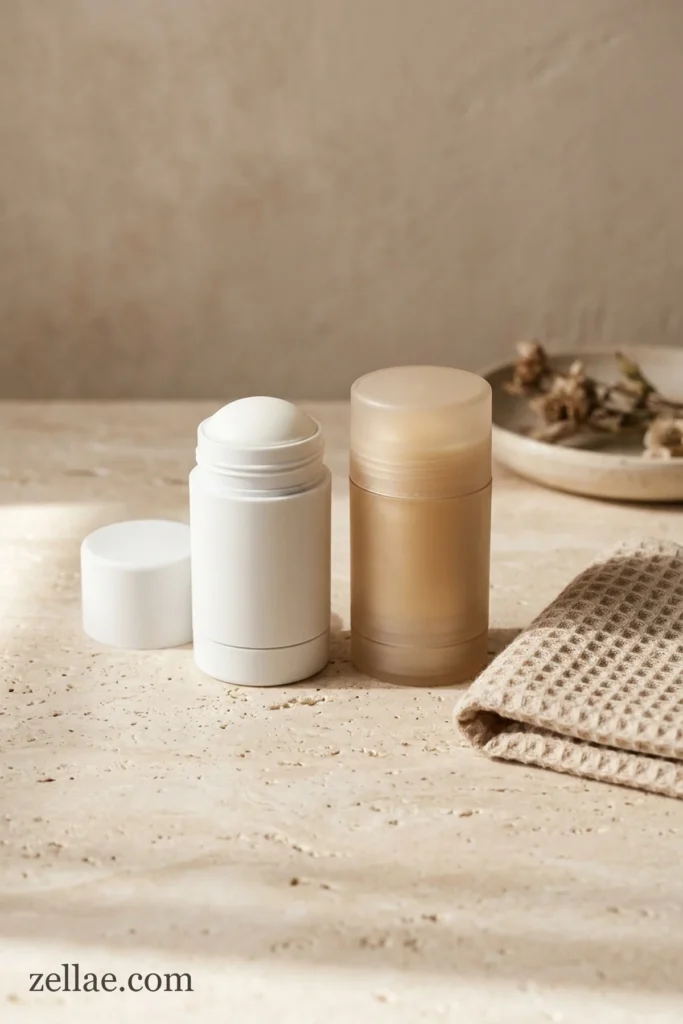
Before we look at cancer studies, skin pH, and bedtime application timing, it helps to compare how both formulas actually perform by lunchtime. Because they belong to completely different FDA categories, expecting a botanical stick to block wet rings on a gray tee will only leave you frustrated.
Scan this breakdown first, paying close attention to active ingredients, shirt-stain risk, and irritation triggers. When you’re weighing natural deodorant vs antiperspirant for everyday wear, real-world comfort matters just as much as what’s printed on the label.
| Feature | Aluminum-Free Deodorant | Antiperspirant |
|---|---|---|
| Primary Job | Neutralizes odor-causing bacteria and masks smell while letting natural sweat flow | Temporarily plugs eccrine sweat ducts to measurably reduce underarm wetness |
| FDA Classification | Cosmetic (no active Drug Facts box required) | FDA-regulated OTC drug with required Drug Facts active percentage |
| Stops Wetness? | No. Arrowroot or tapioca starch only blots light dampness. | Yes. Cuts perspiration by 20% to 30% or more (even higher in clinical-strength formulas). |
| Stops Odor? | Yes, via mandelic or AHA acids, magnesium, zinc ricinoleate, or probiotics. | Yes. Most drugstore sticks pair aluminum salts with built-in odor fighters. |
| Yellow Shirt Stain Risk | Very low. Plant oils can leave faint grease marks, though rarely yellow halos. | Moderate to high. Aluminum salts react with sweat proteins on white cotton. |
| Common Irritant Trigger | Alkaline baking soda (sodium bicarbonate), heavy essential oils, fragrance | Synthetic fragrance, alcohol aerosols, or swiping right after shaving |
| Best Real Brands | Lume ($15), Salt & Stone Sensitive ($20), Kosas Chemistry ($16), Native Sensitive ($13) | Secret Clinical ($11), Dove Clinical ($11), Dove Advanced Care ($8), Vanicream ($12), Carpe ($20) |
Active chemistry draws the real dividing line here. Clinical antiperspirants rely on 15% to 20% aluminum zirconium tetrachlorohydrex gly (or aluminum chlorohydrate) to form temporary gel plugs inside shallow sweat pores, keeping them the strongest choice for heavy sweating. Newer aluminum-free formulas skip pore plugs altogether, relying on mandelic acid, shikimic acid, magnesium hydroxide, or zinc ricinoleate to stop odor bacteria.
Want a two-second way to tell them apart in the store? Flip the stick over. A bordered white “Drug Facts” panel listing an aluminum compound confirms it’s a true antiperspirant. No Drug Facts box means it’s a cosmetic deodorant, even when the front label promises “all-day dry protection.”
Aluminum Free Deodorant vs Antiperspirant: 6 Honest Science-Backed Facts
Social media loves turning aluminum-free deodorant vs. antiperspirant into a showdown between pure nature and scary chemicals. Board-certified dermatologists tell a much calmer story. Before you toss a clinical stick that works or spend $22 on a viral botanical balm, check these six facts.
1. Sweat Isn't What Smells: Underarm Bacteria Do
Your body runs two sweat systems. Eccrine glands release clear, salty water to cool you down, while apocrine glands around underarm follicles release thicker, protein-rich fluid during stress or hormone shifts. Fresh sweat is nearly odorless. Body odor starts when resident bacteria, mainly Staphylococcus hominis and Corynebacterium, break down those proteins into sharp sulfur compounds, which is why deodorants still control smell when you’re damp.
2. The Truth About Aluminum Safety & Breast Cancer Studies
Worry over aluminum antiperspirant safety pushes millions away from clinical sticks, yet large peer-reviewed studies show no proven link to breast cancer or Alzheimer’s disease. Intact skin absorbs only about 0.012% of topical aluminum, far less than you get from everyday food, and healthy kidneys clear those traces easily. Aside from the FDA’s warning for severe kidney disease, skipping aluminum comes down to comfort or wardrobe preference, never fear.
3. Why Baking Soda Causes Worse Rashes Than Aluminum for Many Women
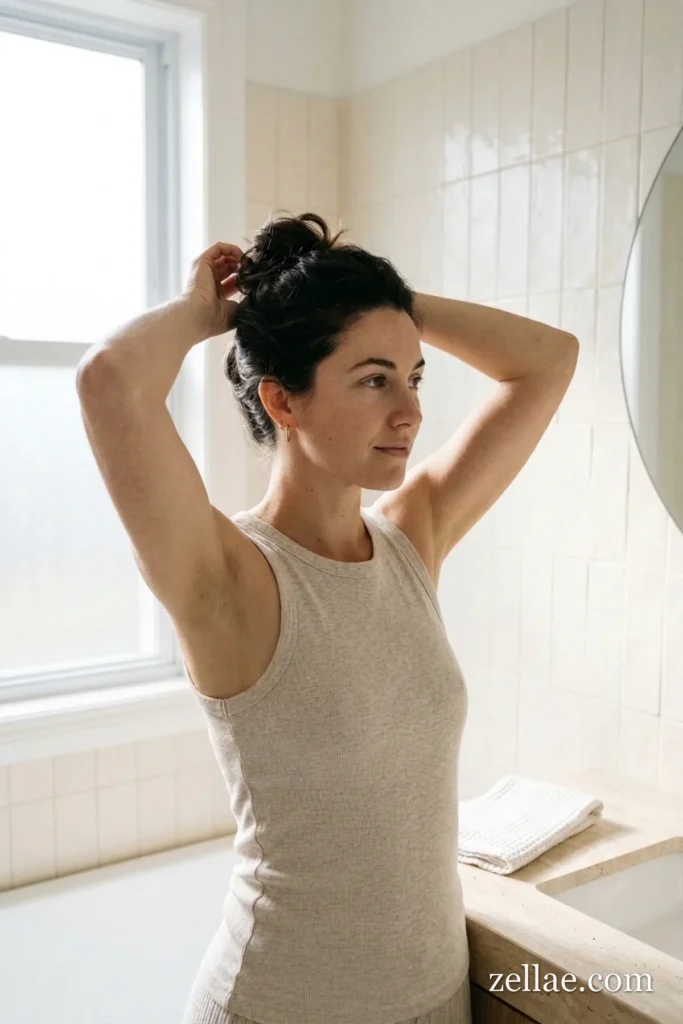
Ironically, switching to a natural deodorant leaves many women with angrier skin than before. Healthy underarms stay mildly acidic around pH 4.5 to 5.5, while baking soda (sodium bicarbonate) sits up at pH 8.5 to 9.0. Rubbing gritty alkali onto thin, freshly shaved folds strips protective lipids and sparks itchy red rashes and stubborn dark marks on deeper skin tones far more often than aluminum salts do.
4. Is "Armpit Detox" Real or Just Microbiome Adjustment?
Your liver and kidneys handle detoxing. Bentonite clay masks can’t pull heavy metals out of your lymph nodes. That awkward two-week funk when quitting antiperspirant is just normal biology: as temporary aluminum plugs shed from your pores, regular sweat volume returns and feeds odor bacteria until your microbiome settles. Skip drying clay pastes. Lathering a 4% benzoyl peroxide wash (like PanOxyl) for 60 seconds twice a week resets smell much faster.
5. Why Nighttime Application Doubles Antiperspirant Performance
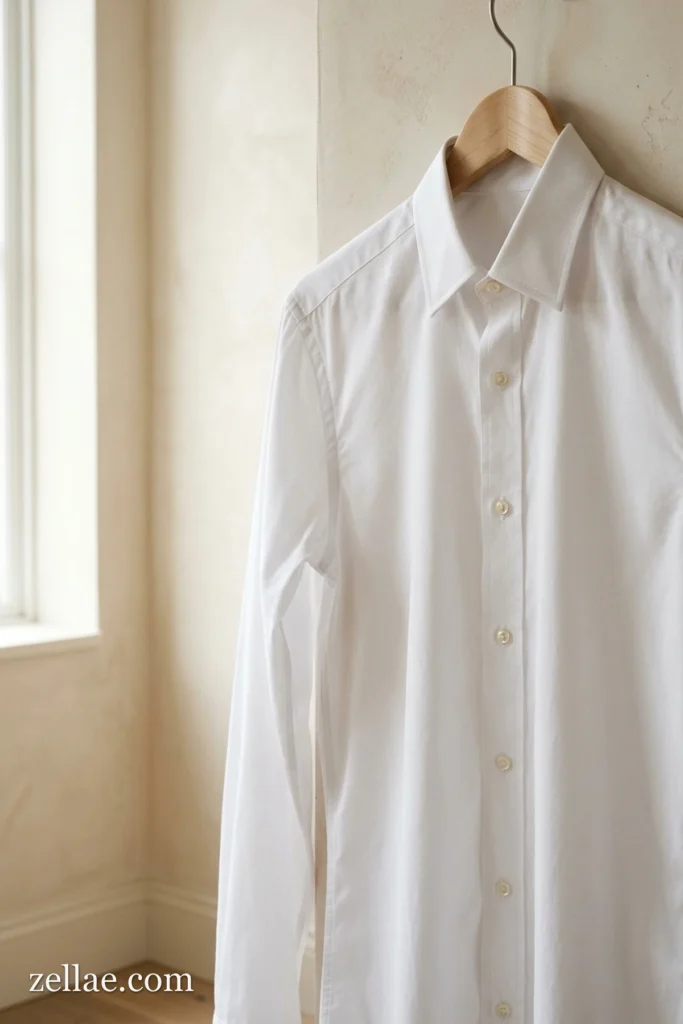
Swiping antiperspirant right after a steamy morning shower undercuts dryness and streaks crisp white shirts. Morning sweat glands are wide awake, flushing dissolved aluminum salts away before temporary gel plugs can form. Apply your clinical stick to completely dry skin at bedtime instead. Resting sweat drops overnight, giving the formula six to eight uninterrupted hours to set, survive your morning shower, and protect your clothes all day.
6. How to Prevent Yellow Pit Stains on White Shirts
Stiff yellow halos under white cotton tees happen when aluminum compounds bond with sweat proteins, lock into fibers, and bake in a hot dryer. Applying antiperspirant at bedtime stops wet transfer right away, and letting morning sticks dry fully helps too. On casual days in crisp button-downs from your capsule wardrobe checklist, switch to an aluminum-free stick. For older stains, soak fabric in oxygen bleach instead of chlorine bleach.
Once you separate scare marketing from real dermatology, picking an underarm product gets much simpler. Both formulas do their intended jobs well. Drop the guilt, ignore the aisle drama, and match your stick to your actual sweat level, skin sensitivity, and wardrobe.
Top Editor Picks for Both Camps: Best Clinical Antiperspirants vs. Aluminum-Free Deodorants
No single tube works for every armpit or every season. After testing top aluminum-free sticks alongside clinical antiperspirants through humid commutes, stressful meetings, and freshly shaved skin, these dermatologist-backed staples consistently outlasted viral newcomers.
Here are our top performers from both camps, paired with the honest caveats brands leave off the box:
- Secret Clinical Strength Invisible Solid (~$11, 20% Aluminum Zirconium): Our go-to drugstore benchmark when you need the best deodorant for heavy sweating through ten-hour workdays or humid summer weddings. Honest caveat: Grab the “Free & Sensitive” version if fragrance stings after shaving, and apply at night to avoid chalky streaks on black tanks.
- Dove Clinical Protection & Dove Advanced Care (~$8 to $11, 15.2% to 20% Aluminum Zirconium): Pairs reliable wetness control with Dove’s conditioning moisturizers to soften post-shave irritation on a budget. Advanced Care handles moderate daily sweat, while Clinical covers high-stress days. Honest caveat: The richer cream finish can slowly leave yellow buildup on white tees if applied right before getting dressed.
- Vanicream Antiperspirant/Deodorant for Sensitive Skin (~$12, 20% Aluminum Zirconium): Leaves out fragrance, dyes, lanolin, parabens, and botanical extracts, making it a dermatologist favorite for eczema-prone skin that still needs real dryness. Honest caveat: The firm solid drags slightly on dry skin and can leave faint white marks if you swipe too heavily.
- Carpe Underarm Antiperspirant Lotion (~$20, 15% Aluminum Sesquichlorohydrate): A non-greasy lotion that dries powdery-matte fast, built for anyone who soaks through standard sticks before noon. Honest caveat: It costs nearly twice as much per ounce as drugstore clinical formulas and takes two weeks of steady nightly use to hit peak dryness.
- Lume Whole Body Acidified Cream or Solid (~$15, Mandelic Acid): The strongest odor blocker in the aluminum-free aisle, lowering skin pH so bacteria can’t break down sweat for 24 to 48 hours without any baking soda. Honest caveat: It won’t block wetness at all, and the unscented cream has a brief, tangy scent for about a minute.
- Salt & Stone Sensitive (~$20) & Native Sensitive (~$13): Both skip baking soda for silky, rash-free wear. Salt & Stone relies on probiotics and tapioca starch, and its Santal & Vetiver scent smells like fine perfume. Native Sensitive uses magnesium hydroxide. Honest caveat: Plan on a quick afternoon re-swipe during humid 90-degree commutes.
- Kosas Chemistry AHA Serum Deodorant (~$16, Shikimic, Mandelic & Lactic Acids): A clear liquid rollerball that leaves zero streaks on black silk and gently smooths razor bumps and uneven tone over a month. Honest caveat: Give it two full minutes to dry, and never roll it over fresh razor nicks unless you want a sharp sting.
Most beauty editors quietly follow a simpler rule: stop treating deodorants and antiperspirants like an all-or-nothing vow. Keep a fragrance-free clinical antiperspirant on your nightstand for humid commutes, job interviews, and silk tops. On laid-back cotton days after your everything shower routine, reach for a gentle mandelic or magnesium stick instead.
Rotating two sticks gives you dependable dryness whenever sweat would distract you, while keeping your best white shirts bright and sensitive skin calm the rest of the week.
When Heavy Sweating Needs a Dermatologist (Hyperhidrosis Signs)
If three weeks of nightly clinical antiperspirant still leaves you soaking through sweaters in an air-conditioned room, stop blaming your hygiene or buying another $22 tube. Roughly 3% to 5% of adults have primary axillary hyperhidrosis, a benign medical condition in which normal sweat glands receive overactive nerve signals.
Telling the difference between everyday sweat and true hyperhidrosis opens the door to prescription treatments that work far better than anything in the drugstore aisle:
- Soaking through clothes at rest: Sweat dripping from your underarms while you’re sitting calmly in cool air, well outside a workout or heat wave, is a classic sign.
- Two-sided daytime episodes that stop during sleep: Primary focal hyperhidrosis typically starts in adolescence, hits both underarms evenly while awake, and shuts off overnight. Sudden adult-onset sweating or drenching night sweats warrant a primary-care check for thyroid shifts, hormones, blood sugar, or medications like SSRIs.
- Daily wardrobe and confidence disruption: Limiting your closet to black sweaters, stashing backup tops in your tote, or dreading raising your arms at work is plenty of reason to see a dermatologist.
- Prescription topical treatments: Dermatologists can prescribe 20% aluminum chloride hexahydrate solutions (Drysol), once-daily anticholinergic cloths (Qbrexza), or FDA-approved anticholinergic gels (Sofdra) made specifically for underarm hyperhidrosis.
- Longer-term in-office relief: Targeted underarm Botox injections pause sweat signals for roughly four to six months (often insurance-covered after topical failures), while miraDry uses thermal energy to permanently reduce underarm sweat glands.
If even the best deodorant for heavy sweating still leaves you stressed by noon, bring it up at your next dermatology visit. Treating heavy sweat is routine medical care, and the relief can be huge.
6 Dermatologist-Backed Underarm Care Tips That Actually Work
Underarm skin is thinner, warmer, and folded more tightly than almost anywhere else on your body, which means tiny daily habits make a huge difference. Keep these six dermatologist-approved tweaks in rotation no matter which stick sits on your shelf.
- Apply antiperspirant to bone-dry skin right before bed: As outlined in the Cleveland Clinic’s guide to antiperspirant vs. deodorant, bedtime application lets temporary sweat plugs form overnight while you rest. Towel off completely first, since trapping shower moisture under aluminum salts is a fast way to trigger stinging.
- Base your aluminum decision on clinical research, not viral panic posts: If breast-health worry is the only reason you’re putting up with wet sleeves, read the American Cancer Society’s review of antiperspirants and breast cancer risk. Because current evidence shows no proven cancer link, you can choose purely around comfort and your closet.
- Wait 15 to 30 minutes (or overnight) after shaving before swiping actives: Fresh razor passes leave tiny, invisible nicks across thin underarm skin. Rolling AHA serums, baking soda, alcohol sprays, or strong clinical salts over them causes sharp stinging and dark marks. Shave at night and let your skin calm down before applying anything.
- Wash away invisible wax buildup for 20 full seconds: Solid antiperspirants and waxy natural sticks leave water-resistant film that traps stale sweat inside follicles. Lather a mild, pH-balanced cleanser across the whole fold daily, following the same gentle barrier care doctors share in evidence-based daily hygiene habits. If smell lingers, add a 4% benzoyl peroxide wash twice a week.
- Never scrub dark underarms with rough loofahs or lemon juice: Harsh friction and raw citrus inflame thin skin and push melanin darkening even deeper. Instead, try a baking-soda-free lactic or mandelic acid deodorant two nights a week, and soothe dryness with a plain, fragrance-free moisturizer.
- Pre-treat synthetic gym tops that lock in phantom smell: Polyester activewear traps odor bacteria inside seams that reactivate the second your body warms up, tricking you into blaming your stick. Soak workout shirts in cold water with white vinegar or enzyme detergent before washing, and keep breathable cotton on hand during warm weeks.
Frequently Asked Questions
Can you layer aluminum-free deodorant with antiperspirant?
Yes, and layering works great if you sweat heavily but still love botanical scents. Swipe an unscented clinical antiperspirant (like Vanicream or Secret Free & Sensitive) onto dry skin at bedtime so the sweat plugs set overnight. After your morning shower, glide on a gentle mandelic-acid or magnesium deodorant for fresh scent and extra odor control all day.
Why do I smell worse after switching to natural deodorant?
You aren’t purging hidden toxins. Two simple things happen when you stop using antiperspirant. Over 7 to 14 days, temporary aluminum plugs shed out of your pores, letting normal wetness return and giving odor bacteria more moisture to work with. Waxy natural sticks also mask smell lightly, so switching to a mandelic or lactic acid formula alongside a twice-weekly 4% benzoyl peroxide wash clears transition funk fast.
Why does antiperspirant work better at night?
Sweat glands slow way down while you sleep, leaving pores dry enough for dissolved aluminum salts to form shallow gel plugs right near the pore opening. Swiping antiperspirant on after a hot morning shower lets active sweat rinse those salts away before they can set, which weakens dryness and leaves sticky white marks on your clothes.
What causes dark underarms or painful rashes from deodorant?
Sudden redness, itching, peeling, or dark patches under your arms almost always come from irritant or allergic contact dermatitis, never from aluminum trapping toxins. Across both natural sticks and drugstore antiperspirants, the usual culprits are alkaline baking soda, synthetic fragrance, swiping actives over freshly shaved skin, and concentrated essential oils like tea tree, citrus, or eucalyptus. Switching to a fragrance-free, baking-soda-free formula typically calms things down within two weeks.
Is glycolic acid safe to use under the arms?
In small doses, yes. Try sweeping a mild 5% to 7% glycolic acid toner (like The Ordinary Glycolic Acid 7% Toning Solution) over dry underarms two or three nights a week. It lowers skin pH so odor bacteria struggle to grow. Because folded skin absorbs acids quickly, daily use can cause burns and dark patches. Skip it after shaving, and try gentler mandelic acid if you’re prone to irritation.
Once you tune out scare headlines and detox hype, picking between aluminum-free deodorant and antiperspirant gets refreshingly simple. Reach for a nighttime clinical antiperspirant when staying dry matters most. Keep an acid- or magnesium-based stick handy for sensitive days and crisp white shirts, and rotate both whenever your calendar demands it. For more dermatologist-informed routines, browse our Zellae hygiene guide library next.